

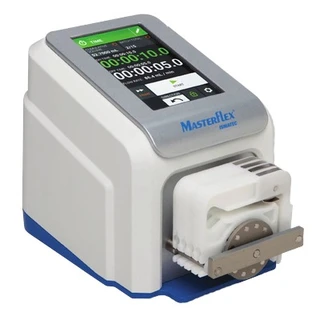
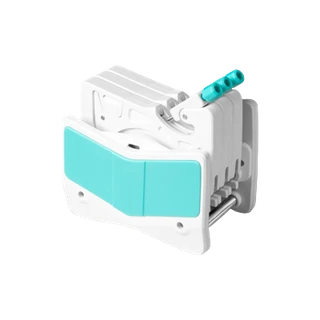
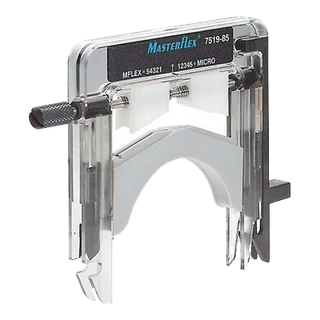
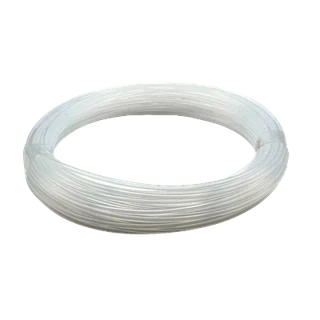
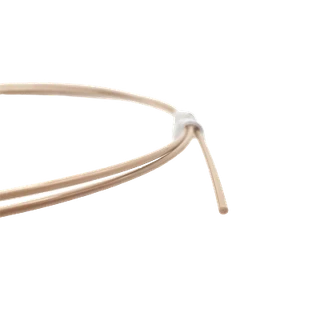
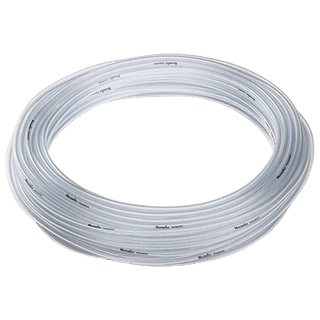
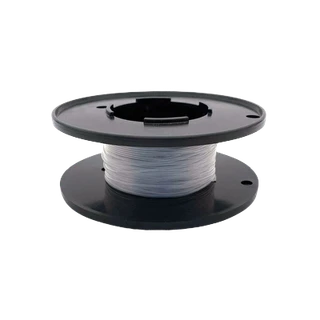
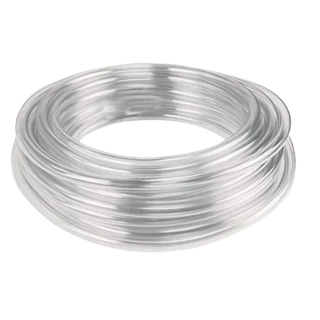
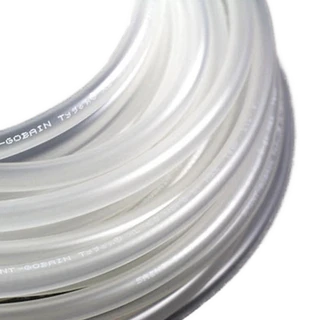
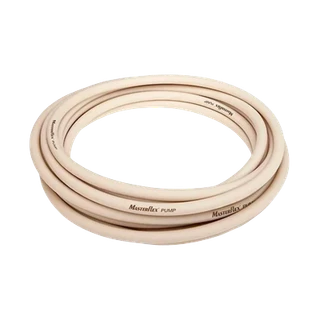
In peristaltic pump systems, tubing is a fundamental component responsible for transporting fluids accurately and safely. Unlike many pump components, tubing is a consumable part that undergoes wear and tear over time and whose lifetime is inherently limited. Understanding what affects tubing longevity is crucial for effective maintenance planning, ensuring continuous operation, and avoiding unexpected system failures.
This article explores the primary factors that determine the lifetime of peristaltic pump tubing, providing guidelines to help you select the appropriate materials for your application, extend tubing lifetime and anticipate when tubing replacement will be necessary.
What Is Tubing Lifetime?
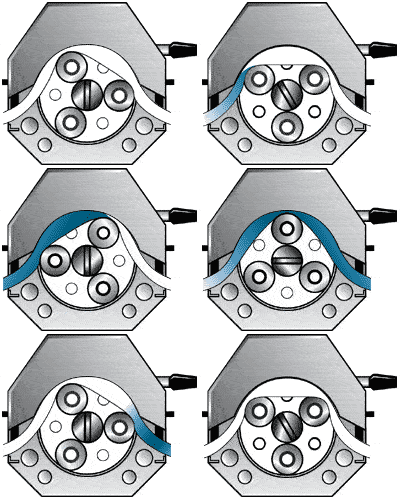
Tubing lifetime refers to the operational duration during which the tubing continues to function effectively without significant deterioration or failure. In a peristaltic pump, tubing is subjected to continuous cycles of compression and relaxation by the rollers. Over time, this repetitive mechanical stress gradually leads to mechanical fatigue or structural damage.
The actual lifespan of the tubing can vary widely — from a few hundred hours to several thousand — depending on factors like material type, pump speed, pressure, and chemical exposure. It’s important to note that tubing failure doesn’t always mean sudden rupture. Gradual performance decline is common, with early signs including reduced flow rates, leakage, visible wear, or loss of elasticity.
Being able to estimate tubing life with reasonable accuracy helps operators schedule proactive replacements, reducing downtime and protecting the process and the equipment from unexpected failures.
Key Factors That Determine Tubing Lifetime
Several factors influence how long peristaltic pump tubing can perform reliably before needing replacement. While tubing materials differ in durability, external factors such as operating conditions, pump configuration, fluid properties, and environmental conditions play an equally important role. Understanding these factors helps you choose the right tubing and extend its usable life.
🧵 Tubing Material Properties
The physical and chemical properties of the tubing material itself have a major impact on its durability. Two key characteristics to consider are flexibility and chemical resistance.
Flexibility and Fatigue Resistance
Materials with high elasticity and fatigue resistance, such as silicone, often provide longer service life in low-pressure applications. In contrast, stiffer materials may withstand pressure better but are more prone to fatigue failure from repeated flexing.
Chemical Compatibility
Contact with aggressive chemicals, solvents, or oils can degrade tubing through swelling, cracking, or softening. Choosing a material that is chemically compatible with the pumped fluid is essential for maintaining its mechanical properties throughout the intended service life.
⚙️ Operating Conditions
Pump operating parameters play a crucial role in determining tubing wear and longevity.
Pressure
Higher system pressures increase the mechanical load on the tubing walls, accelerating fatigue. Every tubing material has a maximum working pressure, and consistently operating above this limit can significantly reduce its lifespan.
Flow Rate and Pump Speed (RPM)
Increasing pump speed raises the frequency of compression cycles, leading to faster material fatigue.
🔧 Pump Design and Setup
The mechanical configuration of the pump itself significantly influences how stress is applied to the tubing. Key design elements include the roller count, the compression settings, and the geometry of the pump head.
Roller Number and Design
Using more rollers reduces the length of tubing under compression at any given moment, which can distribute stress more evenly and help extend tubing life. However, it also increases the frequency of compression cycles, which may accelerate fatigue.
Occlusion and Compression Settings
Excessive occlusion, or over-compression, places too much mechanical strain on the tubing, leading to early fatigue and potential rupture. Insufficient occlusion can cause poor sealing, pulsation, or inconsistent flow. Proper occlusion settings—adjusted to match tubing size and material—are critical for performance and tubing longevity.
Pump Head Geometry
The shape and curvature of the pump head affect how evenly pressure is applied to the tubing. Smooth, well-designed geometries help reduce stress points, while sharp or uneven curves can accelerate wear and reduce tubing life.
💧 Fluid Characteristics
The properties of the fluid being pumped can significantly affect tubing wear and longevity. Key factors include viscosity, temperature, and abrasiveness.
Viscosity
High-viscosity fluids create more internal resistance, often requiring increased pressure to maintain flow. This added strain increases wall stress and accelerates fatigue.
Temperature
Elevated fluid temperatures can soften the tubing material, reducing its mechanical strength and fatigue resistance. Over time, this can lead to deformation, swelling, or chemical instability.
Abrasiveness
Fluids that contain solid particles or suspended matter can wear down the inner surface of the tubing. Softer tubing materials are particularly vulnerable to this kind of internal abrasion, which can lead to premature failure.
☀️ Environmental Conditions
The surrounding environment where the pump operates can also influence tubing performance and longevity.
Temperature
High temperatures can lead to material softening and fatigue, while low temperatures may make some tubing materials brittle and more prone to cracking.
Humidity and UV Exposure
For pumps operating outdoors or in humid environments, prolonged exposure to UV light and moisture can degrade certain materials like silicone or thermoplastics, leading to surface cracking, discoloration, or reduced flexibility over time.
| Factor Category | Specific Factors | Effect on Tubing Life |
|---|---|---|
| 🧵 Tubing Material Properties | Flexibility, Chemical Compatibility | Determine fatigue resistance and durability |
| ⚙️ Operating Conditions | Pressure, Pump Speed (RPM) | Affect fatigue rate and wear progression |
| 🔧 Pump Design & Setup | Roller count, Occlusion, Geometry | Influence compression stress and wear zones |
| 💧 Fluid Characteristics | Viscosity, Temperature, Abrasiveness | Impact internal stress and surface erosion |
| ☀️ Environment | Ambient Temperature, UV, Humidity | Lead to material degradation or brittleness |
Tubing Material Lifetime Comparison
Choosing the right tubing material is not only about chemical compatibility or regulatory compliance—it’s also about durability under your specific operating conditions. Many tubing manufacturers offer life expectancy charts and technical datasheets to guide tubing material selection. These resources typically present estimated service life based on standardized test conditions—such as pumping water at a fixed speed, temperature, and pressure—providing a useful baseline for comparing materials.
As a reference, the table below shows average service life data for various Masterflex® L/S® 16 tubing formulations, based on manufacturer-supplied testing data from Avantor’s Masterflex®.
The tubing was evaluated in a standard Masterflex® pump head, continuously pumping water at 21°C (70°F) and 0 bar, with lifetimes measured in hours at two motor speeds: 50 RPM and 600 RPM. Tubing life is defined as either the time to failure or a 50% reduction in flow rate—whichever occurs first.
| Tubing Material | Motor Speed: 50 RPM | Motor Speed: 600 RPM |
|---|---|---|
| Norprene® | 10000 | 1000 |
| PharMed® BPT | 10000 | 1000 |
| PharmaPure® | 10000 | 1000 |
| Puri-Flex™ | 5000 | 1000 |
| C-Flex® ULTRA | 5000 | 1000 |
| Tygon® E-LFL | 2500 | 600 |
| C-FLEX® | 500 | 100 |
| Silicone | 500 | 100 |
| Tygon® E-Food | 320 | 80 |
| Tygon® E-Lab | 320 | 80 |
| Viton® | 150 | 30 |
This data offers a useful comparison across tubing materials and can help identify which formulations are best suited for applications where long tubing life and minimal maintenance are critical.
Among the tested materials, Norprene®, PharMed® BPT, and PharmaPure® consistently offer the longest lifespans when used with chemically compatible fluids. These are followed by Puri-Flex™, Tygon® E-LFL, silicone, C-FLEX®, and Viton® in decreasing order.
High-performance precision tubing can significantly outperform standard formulations and typically provides 20–30% more service life than standard precision tubing. In pressure applications, reinforced versions of Norprene® and PharMed® also demonstrate superior durability.
For silicone tubing, peroxide-cured formulations can extend life by up to 40%, while platinum-cured variants offer improved biocompatibility. Biopharm Plus platinum-cured silicone, in particular, can last up to five times longer than standard platinum-cured silicone.
Monitoring and Maintenance Tips
While manufacturer data is a helpful baseline, actual tubing lifespan can vary significantly depending on system-specific conditions—such as intermittent operation, backpressure, cleaning cycles, or exposure to non-standard fluids.
Even with the best tubing selection, lifespan also depends on proactive maintenance. Periodic inspection for cracks, discoloration, or flow reduction can help catch early signs of wear. Regular monitoring and tracking of operating hours and conditions allows for more predictable replacement planning.
💡 Conclusion
The lifetime of peristaltic pump tubing is influenced by a complex interplay of mechanical, chemical, and environmental factors. While dramatically extending tubing life is rarely possible once working conditions are defined, selecting the right tubing material and optimizing the system setup can ensure reliable performance within expected lifespans.
By understanding the factors that govern tubing wear and using the supplier’s technical data effectively, you can plan appropriate maintenance intervals, minimize downtime, and ensure optimal pump performance in your application.
Stay tuned for more insights on fluid handling, pump optimization, and tubing selection best practices 💧!
📧 If you have any questions or feedback, please feel free to contact us at contact@darwin-microfluidics.com.