
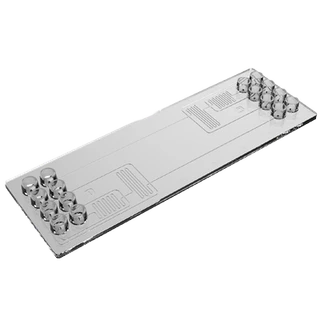
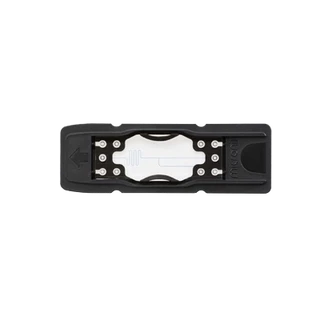
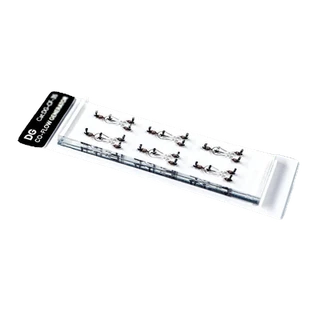
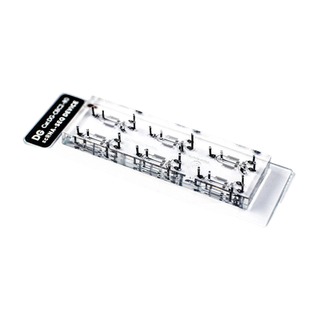

Electron Beam (e-beam) sterilization is a commonly utilized technique for sterilizing materials sensitive to heat and moisture. It is used in medical, biological, and microfluidic applications because it effectively sterilizes without subjecting materials to high temperatures.
This method works by directing high-energy electron beams at materials in a controlled environment. The electrons penetrate the material, disrupting microbial DNA and ensuring sterility. As a non-thermal process, e-beam sterilization is particularly suitable for delicate materials that cannot withstand the heat of traditional methods like autoclaving or steam sterilization. However, caution is required to prevent overexposure, as excessive radiation may lead to material degradation.
To assist engineers and researchers in understanding how various materials behave under electron beam sterilization, the following comprehensive chart derived from different sources including Qosina, Idex, and Industrial Specialties Mfg., provides compatibility ratings.
Refer to this table to make informed choices and maintain contamination-free experiments.
💡 The sterilization compatibility rating key is as follows:
- Good = Little to No Effect
- Fair = Slight to Moderate Effect
- Poor = Moderate to Severe Effect (Not Recommended)
🚨 This chart is intended for informational purposes only and should not be considered as a guarantee of material performance in sterilization or other uses. Users are responsible for evaluating the appropriateness of materials and processes for their specific applications, taking into account both technical and legal considerations.
⚡ Electron Beam: Sterilization Compatibility Chart
| Material | Electron Beam |
|---|---|
| Aluminum | N/A |
| Cyclo Olefin Copolymer (COC) | Good |
| Cyclo Olefin Polymer (COP) | Good |
| Ethylene Chlorotrifluoroethylene (ECTFE) | Good |
| Ethylene Propylene Diene Monomer (EPDM) | Good |
| Ethylene Tetrafluoroethylene (Tefzel - ETFE) | Good |
| Fluorinated Ethylene Propylene (FEP) | Fair |
| High Density Polyethylene (HDPE) | Good |
| High Density Polypropylene (HDPP) | N/A |
| High Heat Polycarbonate (PC) | Good |
| Linear Low Density Polyethylene (LLDP) | Good |
| Low Density Polyethylene (LDPE) | Good |
| Neoprene | N/A |
| Olefinic Thermoplastic Elastomer (TPO) | Good |
| Perfluoro Alkoxy (PFA) | Good |
| Perfluoroelastomer (FFKM) | Good |
| Polyamide (Nylon) | Fair |
| Polyamide Thermoplastic Elastomer (TPA) | Good |
| Polycarbonate (PC) | Good |
| Polychlorotrifluoroethylene (PCTFE) | Fair |
| Polydimethyl Siloxane (PDMS) | Good |
| Polyetheretherketone (PEEK) | Good |
| Polyethylene (PE) | Good |
| Polymethyl Methacrylate (PMMA) | Good |
| Polyoxymethylene (Delrin) | Poor |
| Polyphenylene Sulfide (PPS) | Good |
| Polyphenylsulfone (PPSU) | Good |
| Polypropylene (PP) | Fair |
| Polystyrene (PS) | Good |
| Polysulfone (PSU) | Good |
| Polytetrafluoroethylene (PTFE) | Poor |
| Polyurethane (PU) | Good |
| Polyvinyl Chloride (PVC) | Good |
| Polyvinyl Chloride (Unplasticized - PVC) | Fair |
| Polyvinyl Fluoride (PVF) | Good |
| Silicone | Good |
| Stainless Steel 316 | Good |
| Thermoplastic Polyolefin (TPO) | Good |
| Thermoplastic Polyurethane (TPU) | Good |
| Ultrahigh Molecular Weight Polyethylene (UHMWPE) | Good |